
Table Saw Safety: An Orthopedic Surgeon's Perspective on Preventing Life-Changing Hand Injuries
Written by Dr. Andrew McNamara
If you've ever used a table saw, you know how quickly it can transform a piece of wood into a finished project. What many people don't realize is that it can also transform a normal day into a medical emergency in a fraction of a second.
As an orthopaedic upper extremity surgeon, I have cared for patients whose lives changed instantly after a table saw injury. These accidents often happen to experienced woodworkers, contractors, and homeowners alike. The common phrase I hear is, "I've done this thousands of times." Unfortunately, it only takes one moment of distraction for a devastating injury to occur.
The encouraging news is that many table saw injuries are preventable.
Why Table Saw Injuries Are So Serious
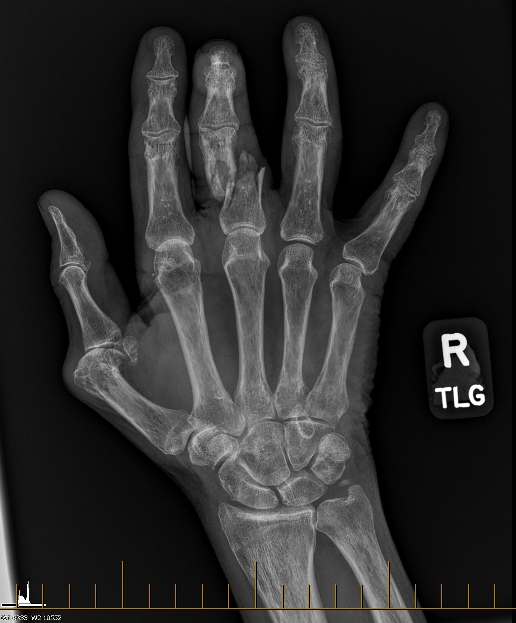
Table saw injury to finger.
Your hands are remarkably complex. They contain 27 bones, dozens of tendons, nerves, blood vessels, and joints working together to provide strength, sensation, and fine motor control.
A table saw blade spins thousands of times per minute. The blade thickness is typically 1/8 inch, known as “full kerf.” What that means is that the saw will not only divide tissue, it will also remove it. Contact with that blade can result in:
Deep lacerations
Tendon injuries
Nerve damage
Fractures
Partial or complete finger amputations
Permanent stiffness or loss of function
Even with modern microsurgical techniques, we cannot always restore a hand to its pre-injury condition, largely due to the removal of tissue. Surgery is often only the beginning of recovery, followed by weeks or months of rehabilitation.
The Injuries I Hope Never to See
As surgeons, we take pride in helping patients recover. But there are injuries we would much rather prevent than treat.
Every severe hand injury means time away from work, interrupted hobbies, financial stress, and emotional frustration. Patients often tell me they never imagined how much they relied on their hands until everyday tasks—buttoning a shirt, typing, cooking, or holding a grandchild—became difficult.
The best surgery is the one that never becomes necessary.
Common Causes of Table Saw Injuries
Many accidents share similar circumstances:
Removing or bypassing the blade guard
Working while tired or distracted
Reaching over or behind the blade
Kickback causing the hand to move into the blade
Wearing loose clothing or gloves that can catch
Rushing to "just make one more cut"
Experience does not eliminate risk. In fact, familiarity can sometimes lead to complacency.
Simple Habits That Protect Your Hands
Every time you use a table saw, make safety part of your routine.
Keep Safety Devices Installed
Blade guards, riving knives, and anti-kickback pawls are designed to reduce injury risk. Removing them for convenience can dramatically increase the chance of a serious accident.
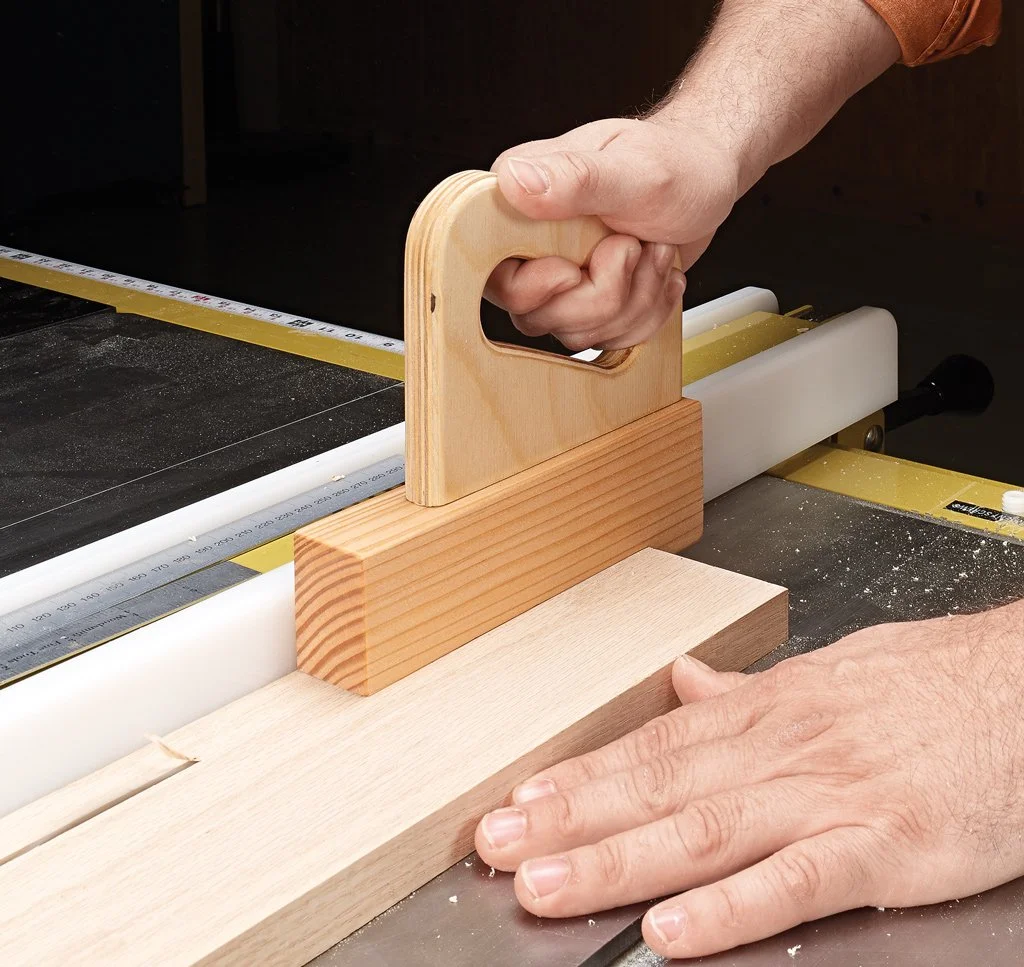
Pictured above is a push block you can use to keep hands safe.
Use Push Sticks and Push Blocks
Never place your fingers close to the blade. Push sticks and push blocks allow you to maintain control while keeping your hands at a safer distance.
Stand Out of the Kickback Zone
Position yourself slightly to one side of the blade rather than directly behind the workpiece. If kickback occurs, this simple adjustment may prevent serious injury.
Focus Completely
Avoid using a table saw when you're fatigued, distracted, or under the influence of alcohol, recreational drugs, or medications that impair alertness.
If something doesn't feel right about the cut, stop and reassess before proceeding.
Don't Rush
Many injuries occur near the end of a project when people become impatient or overconfident. Taking an extra minute to set up safely is far preferable to months of recovery.
Technology Can Save Fingers
Modern table saws equipped with flesh-sensing technology can detect contact with skin and stop the blade within milliseconds, dramatically reducing injury severity.
While these saws represent a greater initial investment, they may prevent permanent disability and costly medical treatment. If you're purchasing a new saw, this safety feature is well worth considering.
If an Injury Happens
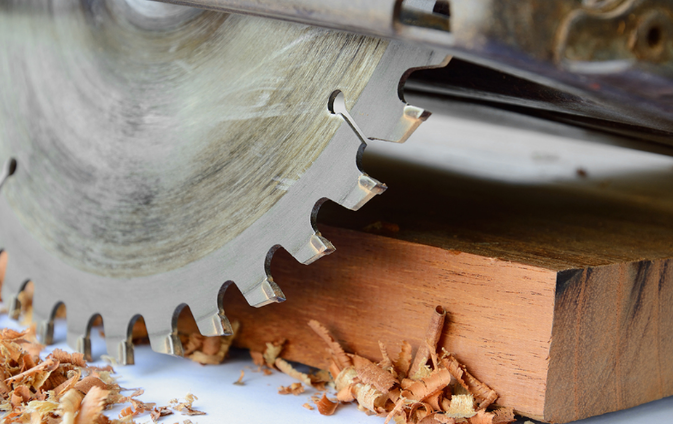
Despite every precaution, accidents can still occur.
If you sustain a serious hand injury:
Apply firm pressure to control bleeding.
Cover the wound with a clean dressing.
Seek emergency medical attention immediately.
If a finger or fingertip is amputated, wrap it in moist sterile gauze or a clean cloth, place it in a sealed plastic bag, and keep the bag on ice. Do not place the tissue directly on ice or in water.
Prompt treatment offers the best chance for preserving function.
A Final Thought
As an orthopaedic upper extremity surgeon, I have the privilege of helping patients recover from devastating injuries. But I would much rather help you avoid becoming my patient in the first place.
Every woodworking project should end with satisfaction—not an emergency room visit.
Protect your hands. Respect your tools. Use safety devices every time. Slow down when you're tired. Encourage those around you to do the same.

Dr. Andrew McNamara
Orthopaedic Surgeon
MD, FAAOS
Dr. McNamara is a board-certified upper extremity surgeon specializing in the treatment of conditions from the shoulder to the fingertips.
He utilizes advanced techniques, including computer navigation technology, to enhance precision and improve outcomes in shoulder replacement surgery.
His patient-centered approach focuses on understanding each individual’s goals and collaborating to determine the most effective operative or non-operative treatment plan.
View full profile →