
Written by Dr. Jesse Botker
Every athlete wants to get faster, stronger, and more explosive. But spending more time in the weight room does not always lead to better results. The athletes who continue to improve follow a plan that builds strength, improves movement, supports recovery, and helps prevent injuries.
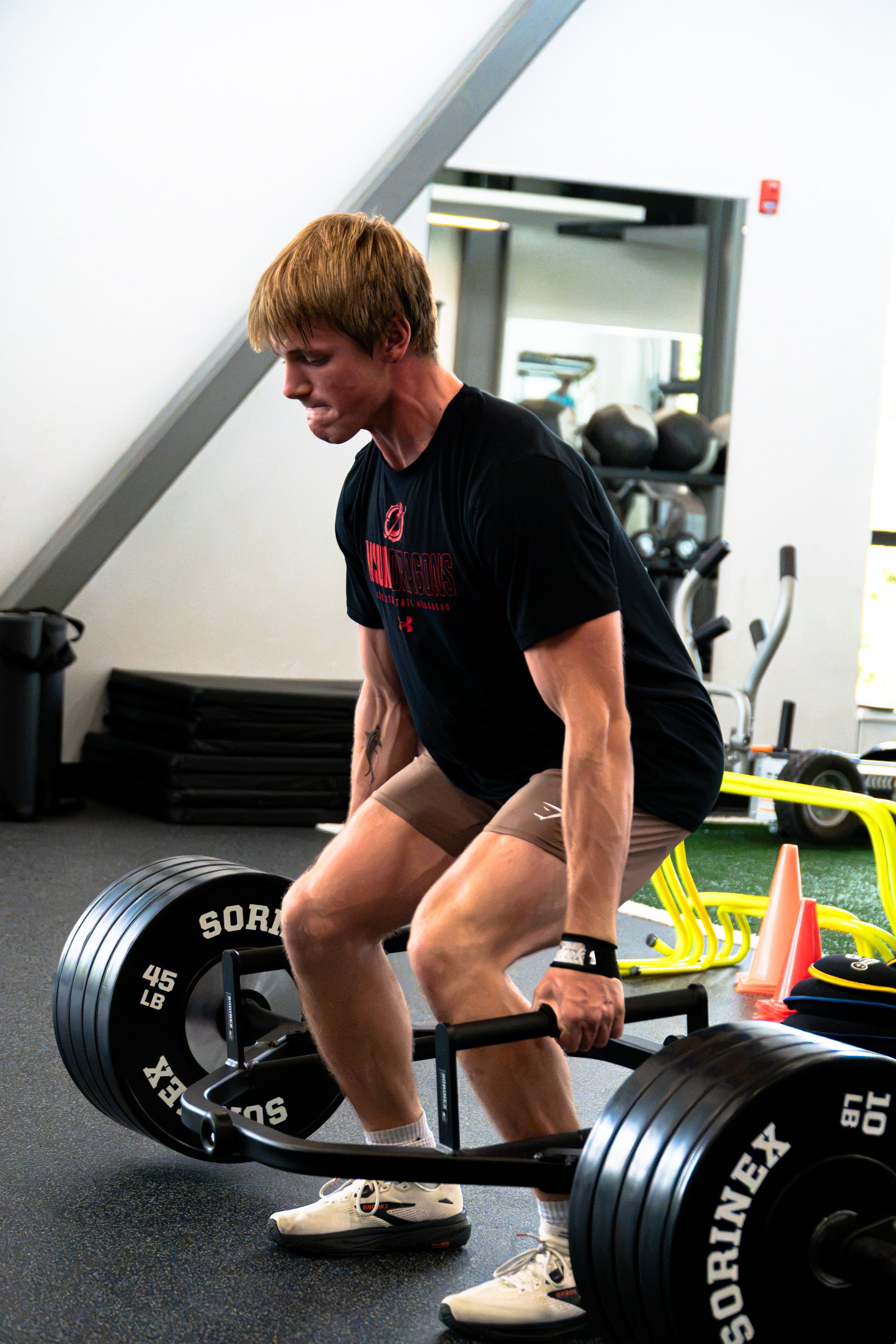
Achieving peak athletic performance takes more than hard work. It requires a smart approach to training, recovery, and overall health. Athletes at every level benefit from programs that focus on strength and conditioning, injury prevention, and building habits that support long-term success.
Strength Training for Athletes: Building a Strong Foundation
A key part of effective training is developing stabilizing muscles. These smaller muscle groups often do not get the attention they deserve, but they play an important role in joint stability, balance, and efficient movement.
Weakness in areas like the hips, core, and shoulders can affect mechanics, limit performance, and increase the risk of injury. A well-designed strength training program for athletes should target these areas alongside larger muscle groups to help athletes move better, build power, and improve overall athletic development.
Dynamic warmups and mobility work are also important parts of a complete training program. They prepare the body for movement, improve range of motion, and help athletes get ready for the demands of training and competition.
Recovery, Nutrition, and Performance
Training is only one piece of athletic development. Nutrition, hydration, and recovery play a major role in helping athletes perform at their best.
Providing the body with the right nutrients supports muscle growth, energy levels, and recovery. Protein intake, meal timing, and proper hydration can all impact how athletes feel and perform during training sessions and competition.
Rest is just as important. Quality sleep allows the body to repair tissue, restore energy, and prepare for the next challenge. Without enough recovery, athletes may see a decline in performance and increased risk of injury.
In-Season and Off-Season Athletic Training
Training needs change throughout the year. During the season, the focus should be maintaining strength, staying healthy, and recovering properly so athletes can continue competing at a high level.
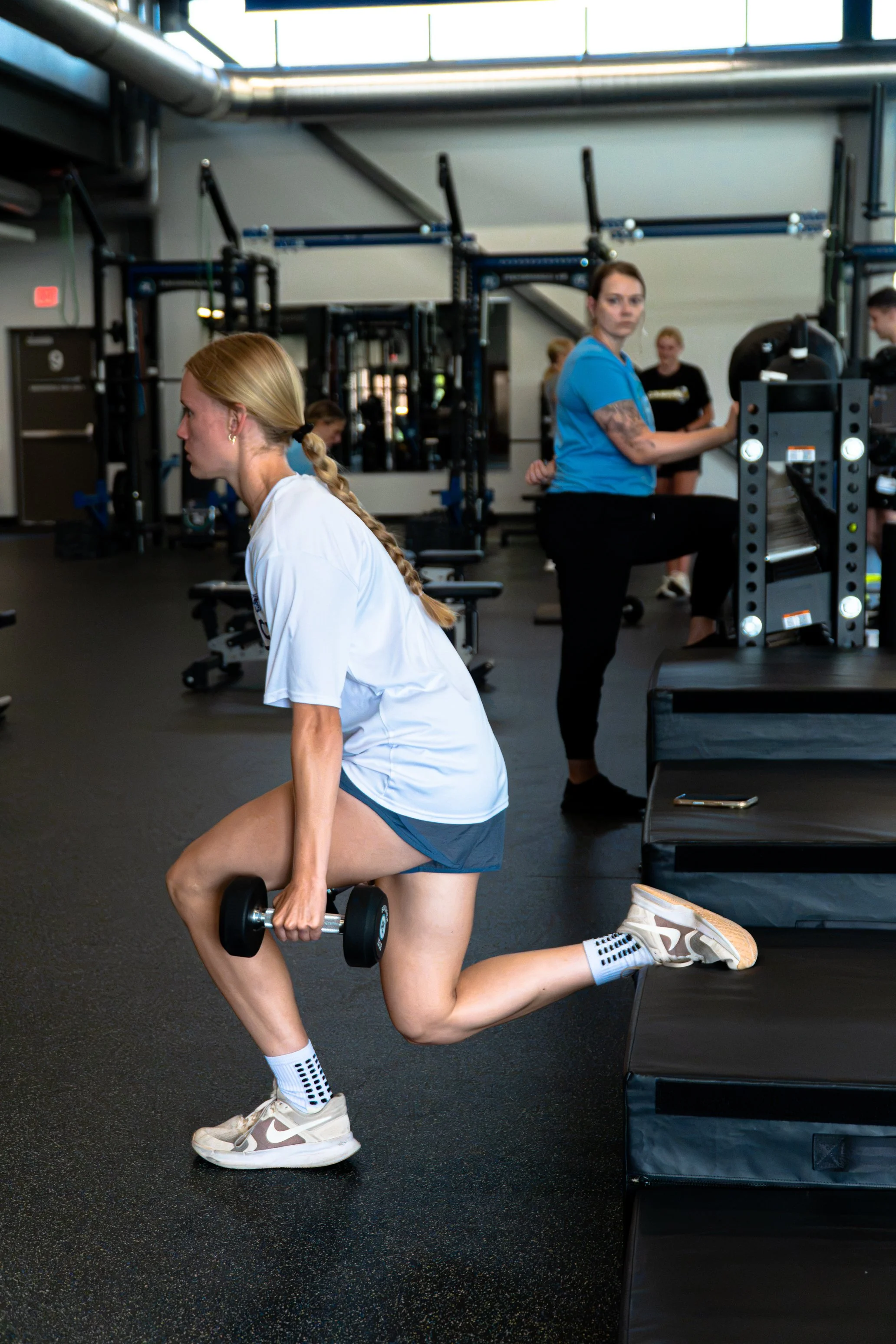
The off-season provides an opportunity to build strength, improve weaknesses, and increase overall athletic capacity. A well-planned approach throughout the year helps athletes continue progressing while reducing the risk of burnout and injury.
A Team Approach to Athletic Performance
At Performance Lab, we take a comprehensive approach to athlete development. Our program brings together orthopedic surgeons, physical therapists, and performance trainers to provide athletes with expert guidance throughout their training journey.
By combining medical expertise with hands-on coaching, we create individualized programs focused on improving performance while helping athletes stay healthy.
The goal is simple: help athletes build strength, move better, and compete with confidence.
About Performance Lab
Performance Lab is Southern Minnesota’s premier performance training facility, built by Orthopaedic & Fracture Clinic to give athletes access to expert coaching, advanced technology, and medical expertise all under one roof. Our team of orthopedic specialists, physical therapists, and performance coaches work together to help athletes improve strength, movement, and performance while reducing injury risk.
With individualized training programs and a focus on long-term athletic development, Performance Lab provides athletes with the tools and support they need to continue improving and compete with confidence.
Contact Landon Messner, Director of Strength and Performance, for more information, or visit: performancelabofc.com.

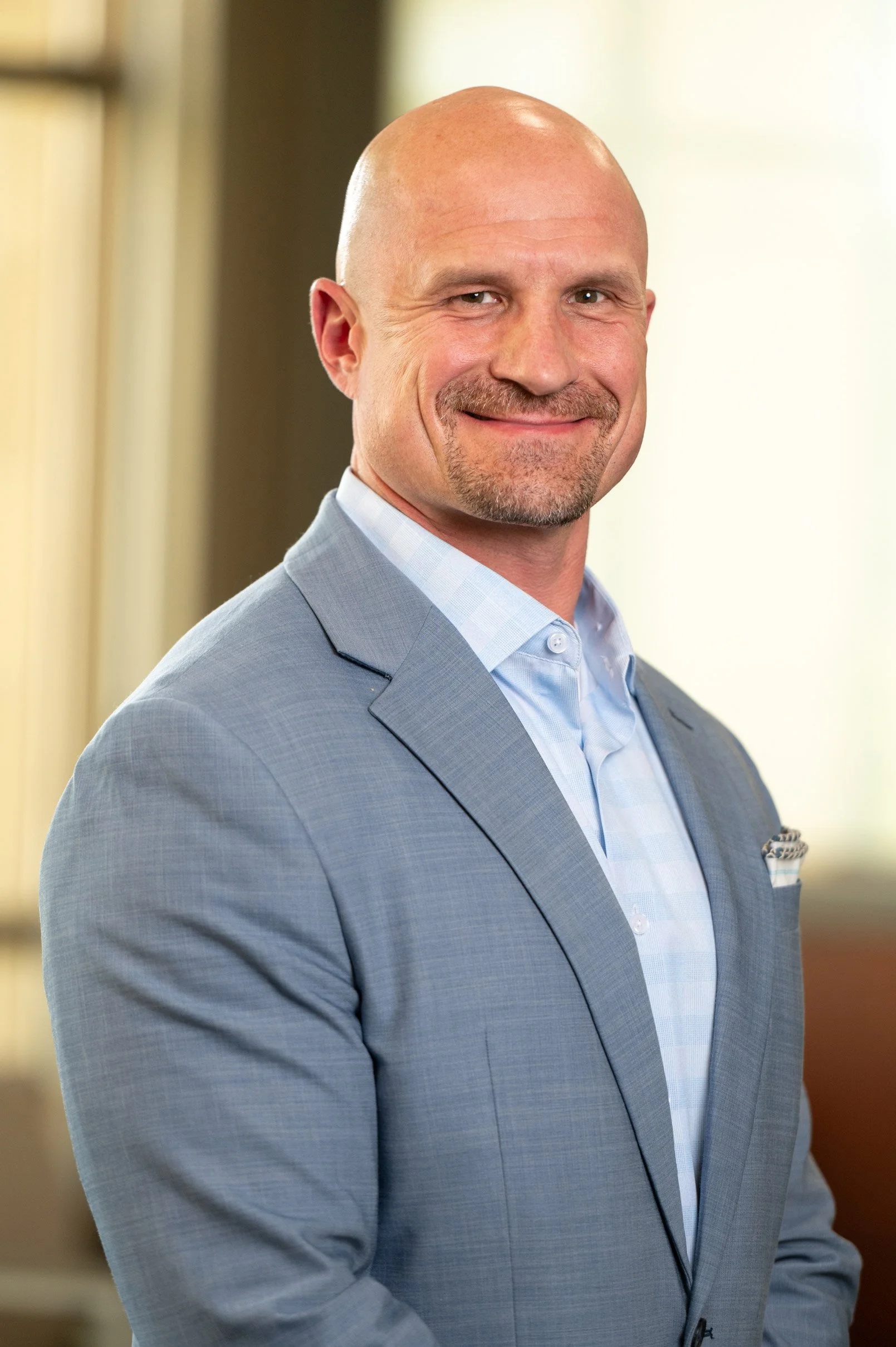
Dr. Jesse Btoker
Orthopaedic Surgeon
MD, FAAOS
Dr. Botker is a fellowship-trained, board-certified orthopedic surgeon with a subspecialty in Sports Medicine, specializing in the care of athletes and active individuals of all ages.
He performs complex sports medicine procedures, including primary and revision surgeries, anterior hip replacement, and 3D-guided knee and shoulder replacements, and is experienced in both adult and pediatric fracture care.
View full profile →