
Written by Theresa Ludewig, CNP, CCD
Our bones help support us throughout our lives, but as we age, they can gradually become thinner and weaker. The challenge is that this process often happens without any noticeable symptoms. For many people, the first sign of a problem is a fracture.
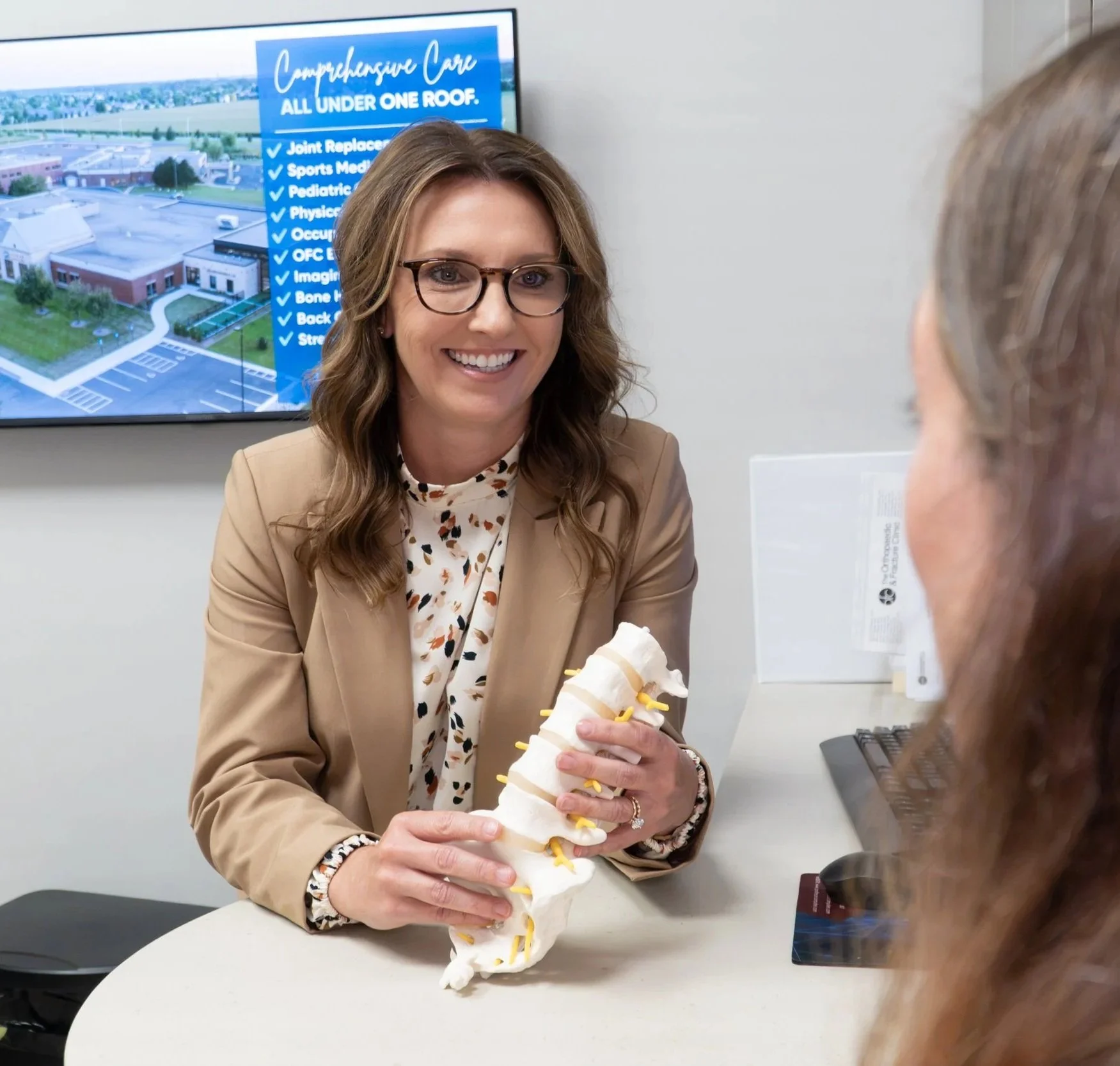
In recognition of World Osteoporosis Day on October 20, it’s important to understand why bone health matters, who may be at risk for osteoporosis and what can be done to protect your bones.
Osteoporosis is common, often silent and treatable. You don’t have to wait until you break a bone to take action.
What Is Osteoporosis, and Why Should We Care About Bone Health?
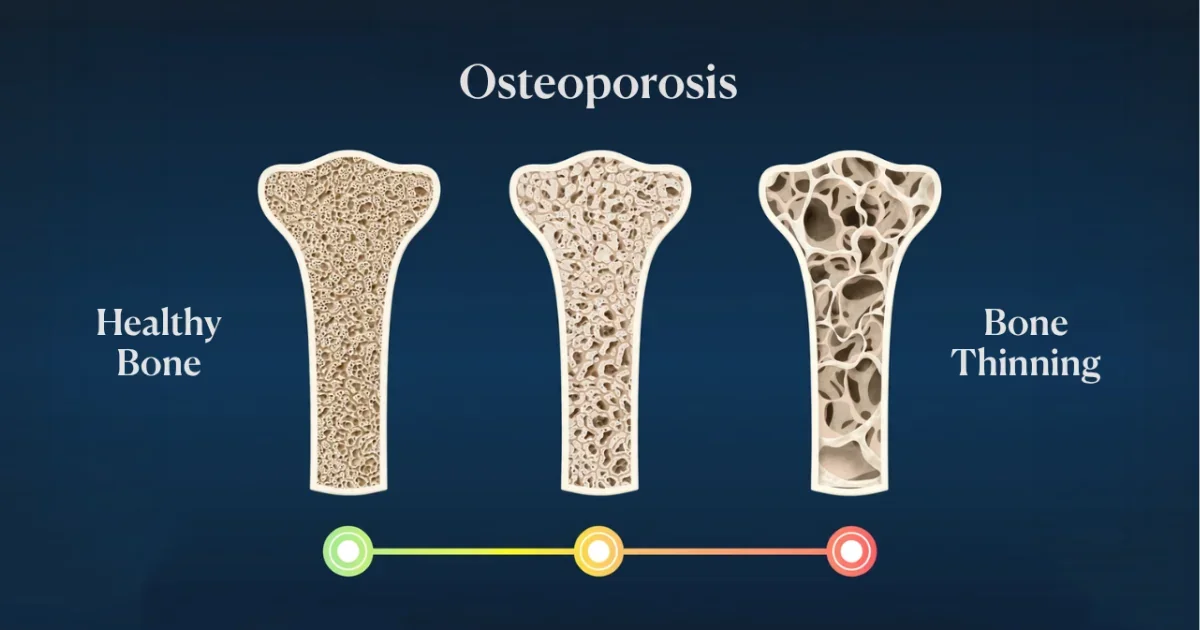
Osteoporosis is more common than many people realize. It is more common in women, particularly after menopause, but it can affect men as well. In fact, about 1 in 5 women age 50 and older has osteoporosis. The risk increases with age, with more than 1 in 4 women over the age of 65 having osteoporosis.
These numbers are important because our bones are living tissue. Throughout our lives, our bones are constantly being broken down by osteoclastic cells and rebuilt by osteoblastic cells. As we age, the balance between these cells can change, causing bones to gradually become thinner and weaker.
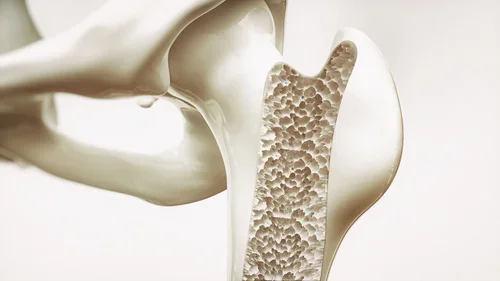
Bone loss is a normal part of aging, but significant bone loss can lead to an increased risk of fractures. Understanding your bone health and identifying potential problems can help you take steps to protect your bones and reduce your risk.
Why Is Osteoporosis Called a “Silent” Problem?
Osteoporosis is often considered a “silent” problem because bone loss can occur gradually without any noticeable symptoms.
Many people do not realize they have weakened bones until they experience a fracture. A fracture can significantly affect independence, mobility and overall quality of life.
This is why bone health deserves attention before a fracture occurs. Understanding your risk factors and getting a bone density evaluation when appropriate can help identify problems earlier and determine what steps may be needed.
Is a Fracture a Warning Sign of Osteoporosis?
A fracture is more than just a warning sign of osteoporosis. It is often a major indication that osteoporosis may already be present.
A fracture should be viewed as a clear signal that bone health needs immediate attention. While treating the fracture is important, understanding the overall health of the bone is an important part of preventing future fractures.
A bone health evaluation may include a DXA scan to measure bone density, laboratory work and a consultation to discuss the findings and treatment options.
What Is the OFC Bone Health Clinic?
The OFC Bone Health Clinic was designed to look at the bigger picture.
Orthopedic surgeons are great at fixing a fracture, but the overall care of the bone before and after a fracture was falling short. In that observation, our Bone Health Clinic was born.
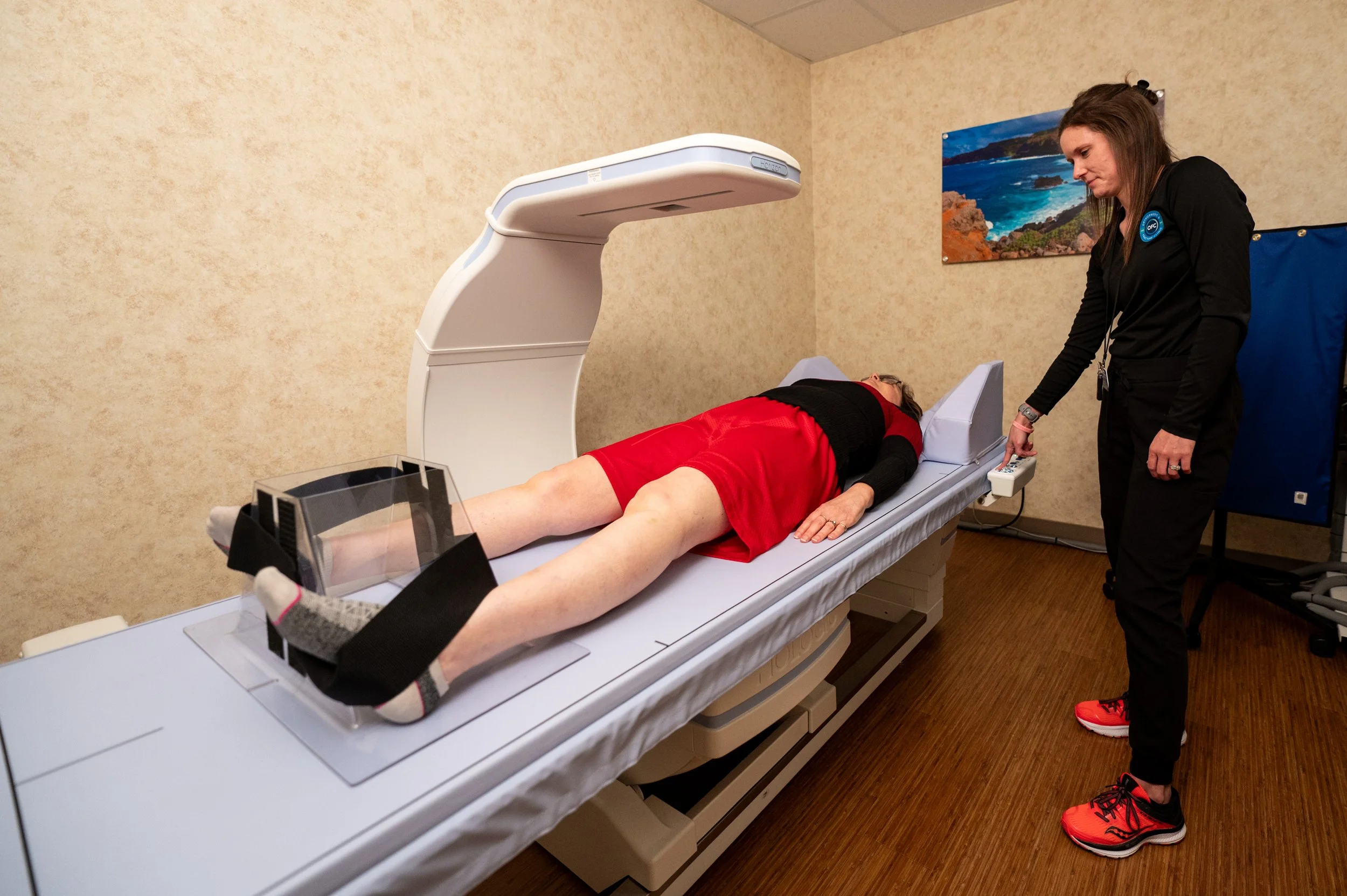
When someone is referred to the Bone Health Clinic, we review their bone density scan (DXA) results, laboratory work and risk factors for osteoporosis. We discuss whether medication treatment options are indicated and create an individualized treatment plan.
Understanding your condition is important. A diagnosis of osteopenia doesn’t necessarily mean someone needs medication, and having osteoporosis doesn’t mean there is nothing that can be done.
We take the time to make sure you have a good understanding of your overall bone health and what can be done.
By looking beyond the fracture itself, the Bone Health Clinic helps patients better understand their bone health and the options available to them.
Should I Have a Bone Health Evaluation if I Haven’t Had a Fracture?
You do not need to have a fracture before you should have your bone health evaluated.
The Endocrine Society supports baseline DXA screening for women at age 65 and men beginning at age 70. Individuals over age 50 should consider screening earlier if they have additional risk factors, such as low body weight, tobacco use, excessive alcohol use, high-risk medications such as steroids or medical conditions associated with bone loss.
If you have questions about your bone health or are unsure whether you should have a bone density scan, talk with your healthcare provider about your individual risk factors and screening options.
What About GLP-1 Medications and Bone Health?
GLP-1 medications have become increasingly popular because of their effectiveness in treating diabetes and helping people lose weight. As their use has increased, there has been growing interest in what substantial weight loss might mean for bone health.
The relationship is complicated.
We know that significant weight loss can be accompanied by loss of bone and muscle mass, particularly if someone is not getting enough protein or is not doing resistance training.
That doesn’t mean GLP-1 medications are inherently harmful to bones, but it does mean that bone and muscle health should be part of the conversation when starting these medications.
I would recommend a baseline DXA and body composition scan before starting the medication. This provides baseline data regarding bone density and also determines percent body fat and lean muscle mass. Periodic body composition scans can help someone on a weight loss journey see if they are losing body fat and/or lean muscle mass.
Maintaining bone and muscle health is an important consideration when developing a weight management plan.
What Can You Do to Keep Your Bones Healthy?
Regular physical activity is one of the most important ways to keep your bones healthy. Weight-bearing activities such as walking, jogging, dancing or climbing stairs can help stimulate bone. Resistance or strength training helps maintain both bone and muscle mass.
Balance training exercises are also valuable in preventing falls, which in turn can prevent fractures.
Nutrition matters, too. Our bodies need adequate calcium, vitamin D, protein and other nutrients to maintain healthy bones. A balanced diet can provide much of what we need, although some people may benefit from supplements.
Addressing risk factors for osteoporosis, such as tobacco use, alcohol use and high-risk medication use such as long-term steroids, can also help reduce your risk of developing weakened bones.
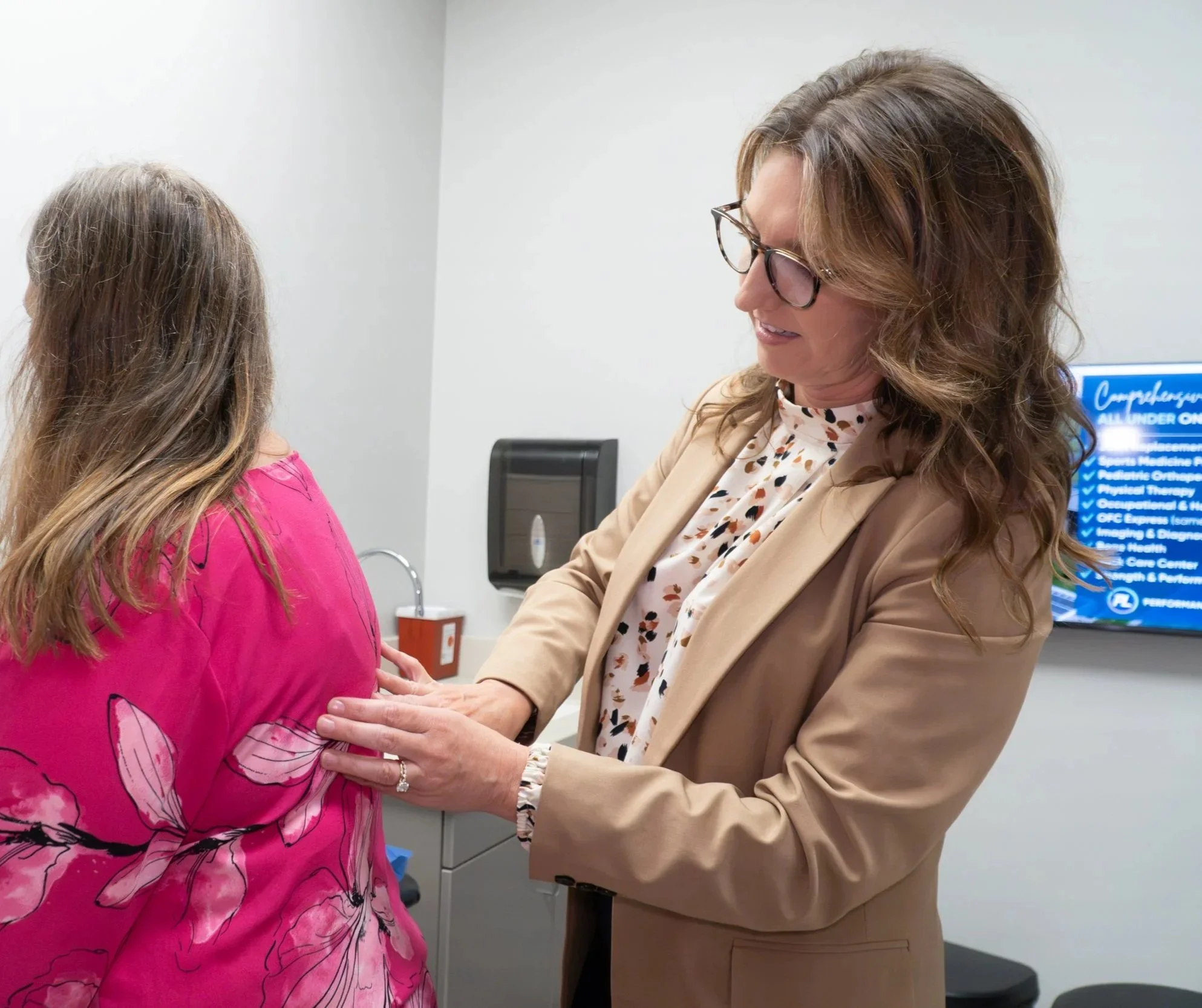
Small steps to support bone health can make a difference over time. Staying active, maintaining muscle strength, eating well and understanding your individual risk factors all play a role in keeping bones strong.
Take Action for Your Bone Health
Osteoporosis is common, often silent and treatable. You don’t have to wait until you break a bone to act.
Understanding your risk, staying active, eating well, maintaining muscle strength, preventing falls and getting a bone density test when appropriate can all play a role in keeping your bones strong and preventing future fractures.
This World Osteoporosis Day, take a moment to think about your bone health.
Schedule an appointment with our bone health clinic
If you have experienced a fracture, have risk factors for osteoporosis or have questions about your bone density, OFC’s Bone Health Clinic can help you better understand your bone health and explore your treatment options.