
Understanding Rotator Cuff Tears: When Shoulder Pain Shouldn’t Be Ignored
Written by Dr. Andrew McNamara
As an upper extremity orthopaedic surgeon, one of the most common causes of shoulder pain I see in clinic is a rotator cuff tear. The rotator cuff is a group of muscles and tendons that stabilize the shoulder and allow you to lift and rotate your arm. Over time—or after an injury—these tendons can become damaged or even tear, leading to pain, weakness, and difficulty with everyday activities like reaching overhead or getting dressed. While this condition is especially common in adults over 40, it can affect anyone, particularly those who perform repetitive overhead motions at work or in sports.
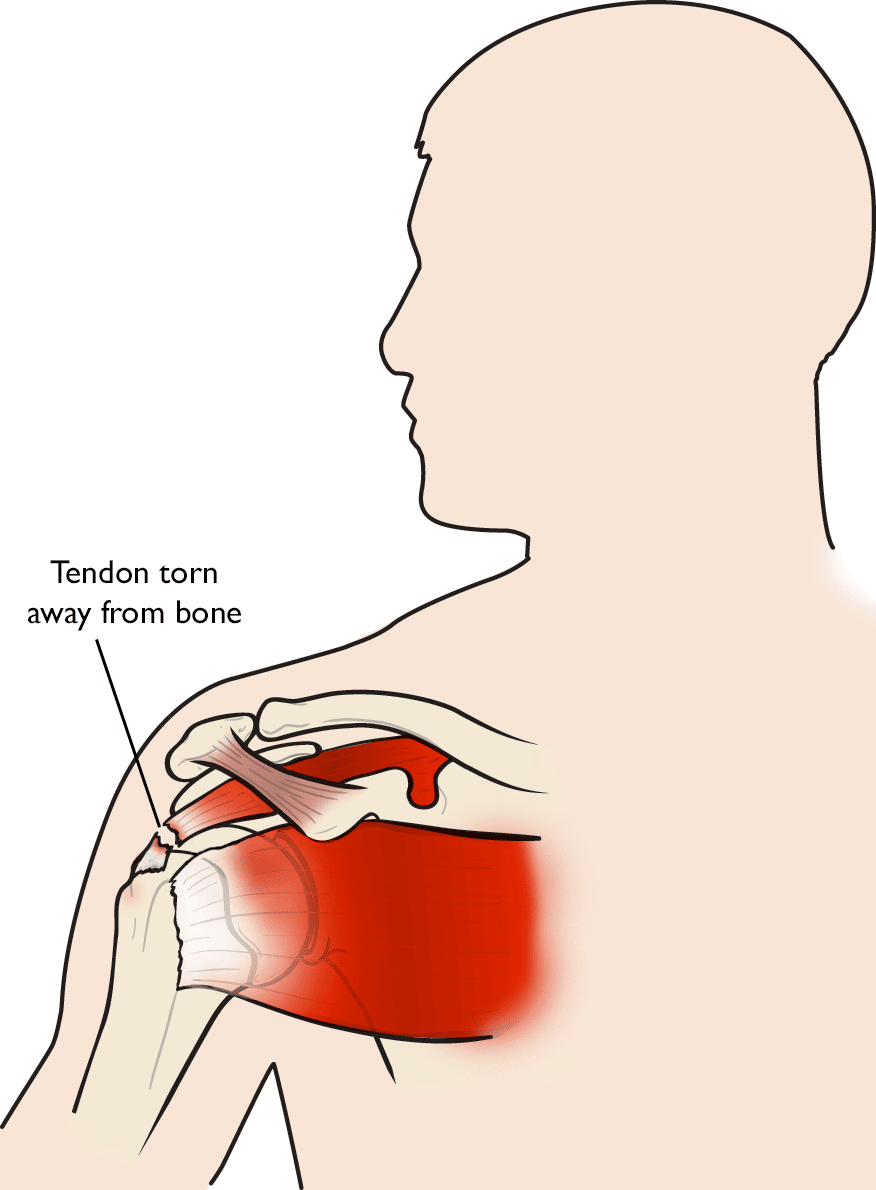
Image courtesy of the American Academy of Orthopaedic Surgeons
Patients often describe a dull, aching pain deep in the shoulder that may worsen at night or when lying on the affected side. You may notice weakness when lifting your arm, or a clicking or catching sensation with movement. In more significant tears, simple tasks like lifting a gallon of milk can become surprisingly difficult. Some tears occur suddenly after a fall or injury, causing immediate pain, while others develop gradually and worsen over time.
The good news is that many rotator cuff tears can be managed without surgery, especially early on. Initial treatment typically includes rest, activity modification, anti-inflammatory medications, and a structured physical therapy program to strengthen surrounding muscles and improve shoulder mechanics. In some cases, corticosteroid injections may also be used to reduce inflammation and relieve pain. These conservative approaches are often very effective, particularly for partial tears or milder symptoms.
However, it’s important to know when to seek medical evaluation. If shoulder pain persists beyond a few weeks, interferes with sleep, or you notice significant weakness or loss of motion, it’s time to see a specialist. Early diagnosis can help prevent progression of the tear and improve treatment outcomes. In certain cases—especially full-thickness tears or injuries in active individuals—surgical repair may be recommended. If you’re unsure, don’t wait too long—addressing shoulder pain early often leads to a faster, more complete recovery.

Dr. Andrew McNamara
Orthopaedic Surgeon
MD, FAAOS
Dr. McNamara is a board-certified upper extremity surgeon specializing in the treatment of conditions from the shoulder to the fingertips.
He utilizes advanced techniques, including computer navigation technology, to enhance precision and improve outcomes in shoulder replacement surgery.
His patient-centered approach focuses on understanding each individual’s goals and collaborating to determine the most effective operative or non-operative treatment plan.
View full profile →