
Tendinitis Explained: Causes, Symptoms and Treatment
Written by Dr. Scott Allen
Tendinitis is a common condition that occurs when a tendon becomes inflamed, causing irritation and pain. Tendons are strong bands of tissue that connect muscles to bones and help our joints move. Symptoms typically include pain and tenderness over the affected tendon. Stiffness, mild swelling, and pain with activity are also common.
What does “-itis” mean?
The suffix “-itis” means inflammation. Therefore, tendinitis literally means inflammation of a tendon. While inflammation is part of the process, it is usually not an isolated inflammation problem. Tendinitis often develops when a tendon is subjected to repetitive stress or a sudden increase in activity, but can also be secondary to trauma
Where Does Tendinitis Occur?
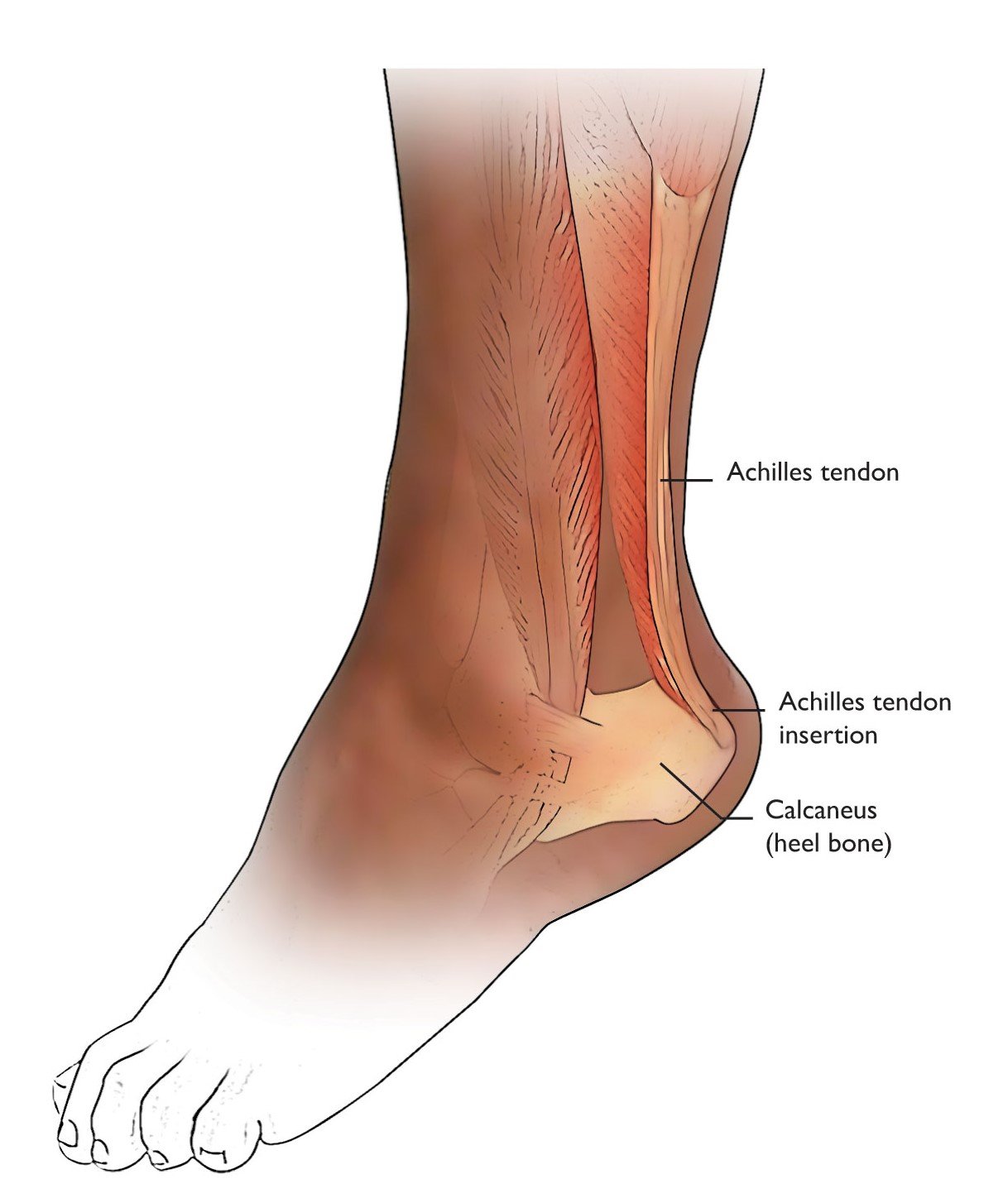
Achilles Tendinitis. Photo courtesy of the American Academy of Orthopedic Surgeons.
Tendinitis can affect any tendon in the body, but some areas are more commonly affected than others. These include the shoulder, elbow, wrist, knee, and ankle. Common examples include rotator cuff tendinitis, lateral and medial epicondylitis (“tennis elbow” & “golfer’s elbow”), patellar tendinitis (“jumper’s knee”), and Achilles tendinitis.
How Is Tendinitis Treated?
Treatment usually begins with modifying the activity that causes pain. This does not necessarily mean complete rest. In fact, tendons don’t do well with prolonged immobilization. Decreasing activity to gradually reduce stress on the tendon is best
Ice, over-the-counter anti-inflammatory medications, and activity modification may help control symptoms. Physical therapy is often the mainstay of treatment both to treat acute symptoms and prevent recurrence. A stretching and strengthening program to restore normal tendon function will gradually improve the tendon’s ability to tolerate activity. Most cases improve without surgery.
Injections may be indicated in certain cases. This is typically reserved for severe or refractory cases of tendonitis. However, injections are not always appropriate, and in some cases can weaken the tendon and increase the risk of tearing or rupture. Your OFC provider can help determine whether injections should be considered as part of your treatment.
How Can I Prevent Tendinitis?
The best prevention is to increase activity gradually. Avoid sudden increases in exercise or work intensity, duration, or frequency. Proper technique, appropriate footwear or equipment, regular strengthening, and adequate recovery between strenuous activities can also reduce stress on tendons.
If tendon pain persists, worsens, causes significant weakness, or interferes with your normal activities, an evaluation at OFC can help determine the cause and guide treatment.
Experiencing Tendon Pain?
An evaluation can help identify the cause of your pain and determine the right treatment for your condition.

Dr. Scott Allen
Orthopaedic Surgeon
MD, FAAOS
Dr. Allen is a board-certified orthopedic surgeon specializing in the surgical and nonsurgical treatment of bone, joint, and muscle conditions, with a focus on fractures, sports medicine, and joint replacement including direct anterior total hip arthroplasty.
He is committed to providing personalized, patient-centered care by listening to each patient’s goals and collaborating to develop individualized treatment plans that restore function and support an active lifestyle.
View full profile →