
Amy’s Story: Back to Being an Active Mom After Hip Replacement
Amy has always been active. She and her husband enjoyed running races together and exploring the outdoors, including hiking mountains in Alaska, Ireland, Vancouver, and Colorado. They were always super adventurous. In fact, she even ran a 10k seven months after her oldest was born.
But shortly after the birth of her second son, Amy began noticing pain in her hips.
Over the next 10 years, the pain gradually became worse. With four children at home, staying active was important to Amy, but everyday activities became increasingly difficult. She tried physical therapy, chiropractic care, massage, injections, pain medication and other treatments, but nothing provided lasting relief.
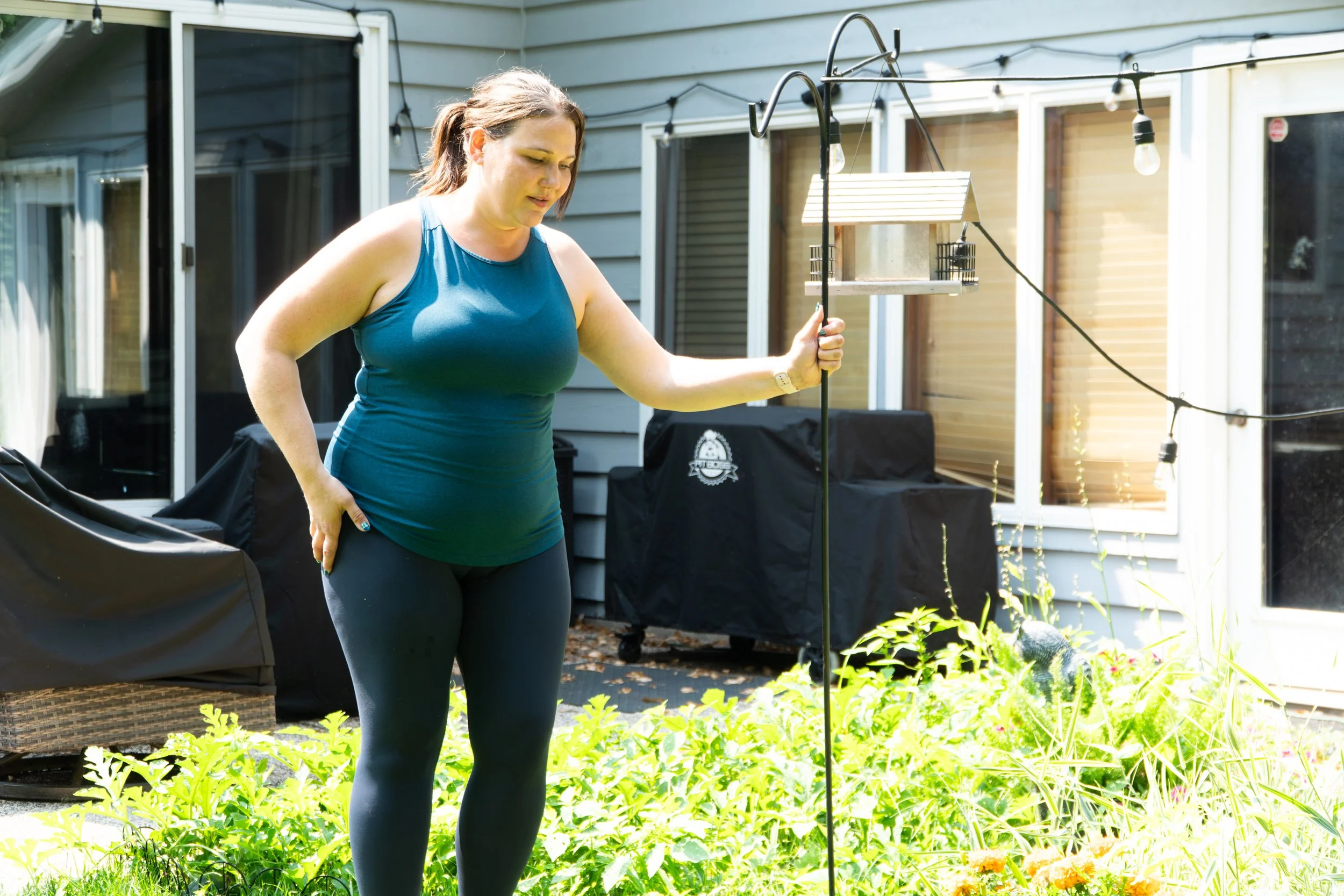
At the same time, Amy was going through a difficult period in her life. Her husband was diagnosed with frontotemporal dementia and passed away more than five years ago, leaving Amy to raise their four children.
“During that time, I really neglected my health and getting the help I needed,” Amy said.
As the years went on, her hip pain began affecting nearly every part of her life.
“I felt like I had lost the sense of being able to keep my children safe and play with them,” she said. “When you have a baby and you can’t take them places or play with them outside, it’s really debilitating.”
Eventually, walking itself became difficult. Amy remembers going to her children’s activities and worrying about how far she would have to walk. She would sometimes order groceries because going to the store was too painful. There were even times when people would stop her while she was walking to ask if she was okay.
“I couldn’t run after my kids,” she said. “It wasn’t safe, it wasn’t fun, and it took a major toll on my mental health.”
Finding the Right Treatment
Amy eventually received a referral to Orthopaedic & Fracture Clinic. An MRI showed severe arthritis in her hips, and she was told that hip replacement was the best option.
She wasn't ready to have surgery.
“With four children under the age of 13, my first thought was, ‘There is no way I can do that. I can’t be off my feet that long,’” Amy said.
In the meantime, she kept trying other options. She continued with multiple different physical therapists, expensive regular massages, chiropractic care, tried injections and even tried mobility tips she found online.
After more than a decade of looking for relief and finding very little, she finally decided it was time. She was done crawling up the stairs each night with tears rolling down her cheeks from the pain. She was done being unable to do basic things like carry in groceries or keep up with her housework. The pain had caused an underlying exhaustion that left her incapable of functioning as a human being after about 7:00 pm every night.
Amy scheduled her surgery for the day after school got out.
She prepared for a long recovery. Friends, family and neighbors organized meals, helped with her children and regularly checked in on her.
But her recovery was much easier than she expected.
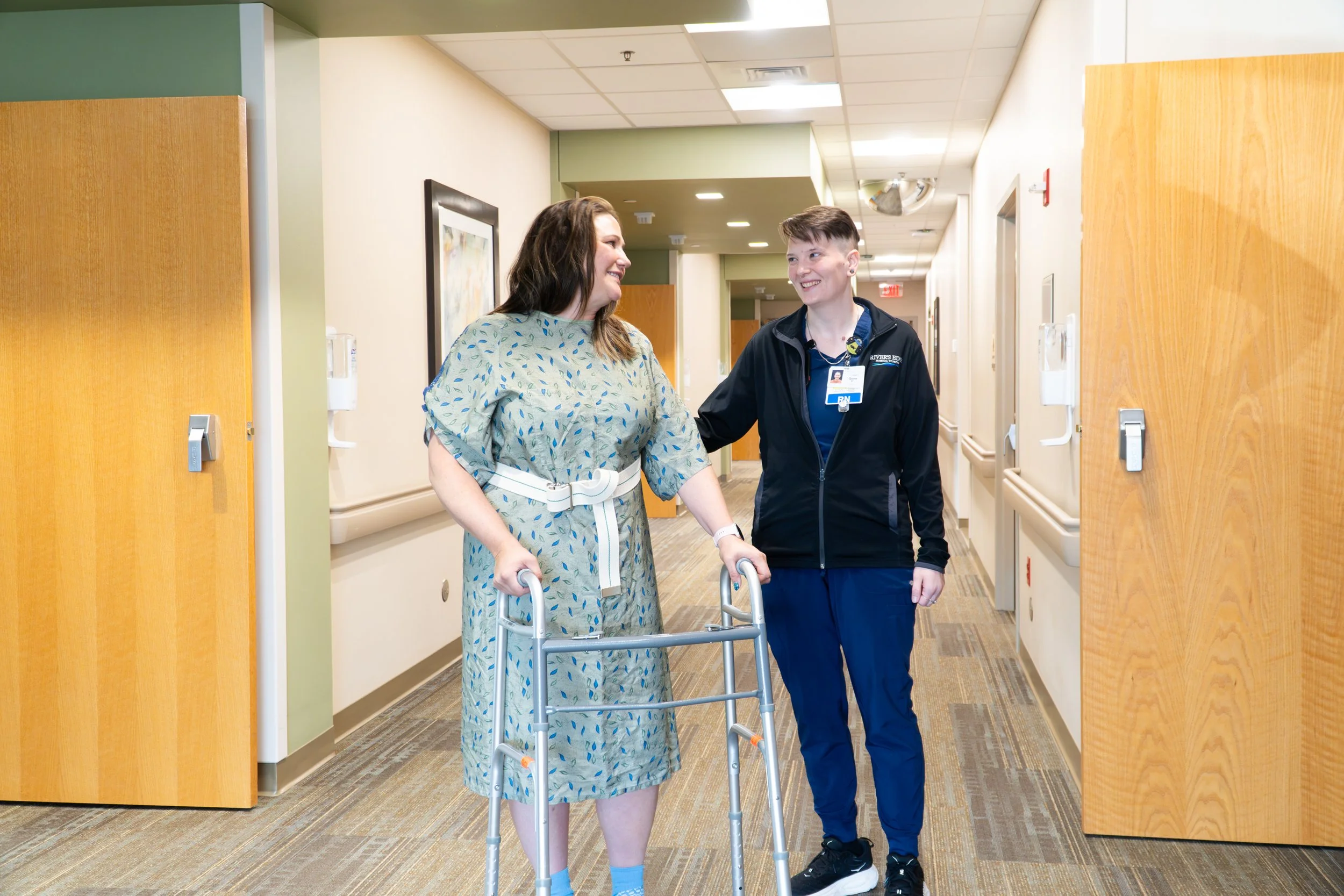
"I was actually given the green light at the hospital to walk and, aside from my normal movement precautions, return to normal as I felt up to it,” she said. “I did go to PT, but I actually overdid it and pulled some healing muscles because I felt so good that I was moving more than I probably should have been.”
The biggest difference came right away.
“When I came out of surgery, I had no arthritic pain.”
Back to the Things She Missed
Before surgery, Amy thought about walking all the time. Now, she rarely thinks about it at all.
“I remember seeing people walking and thinking, ‘That’s so unfair. I can’t even do that,’” she said. “I don’t even think about walking anymore.”
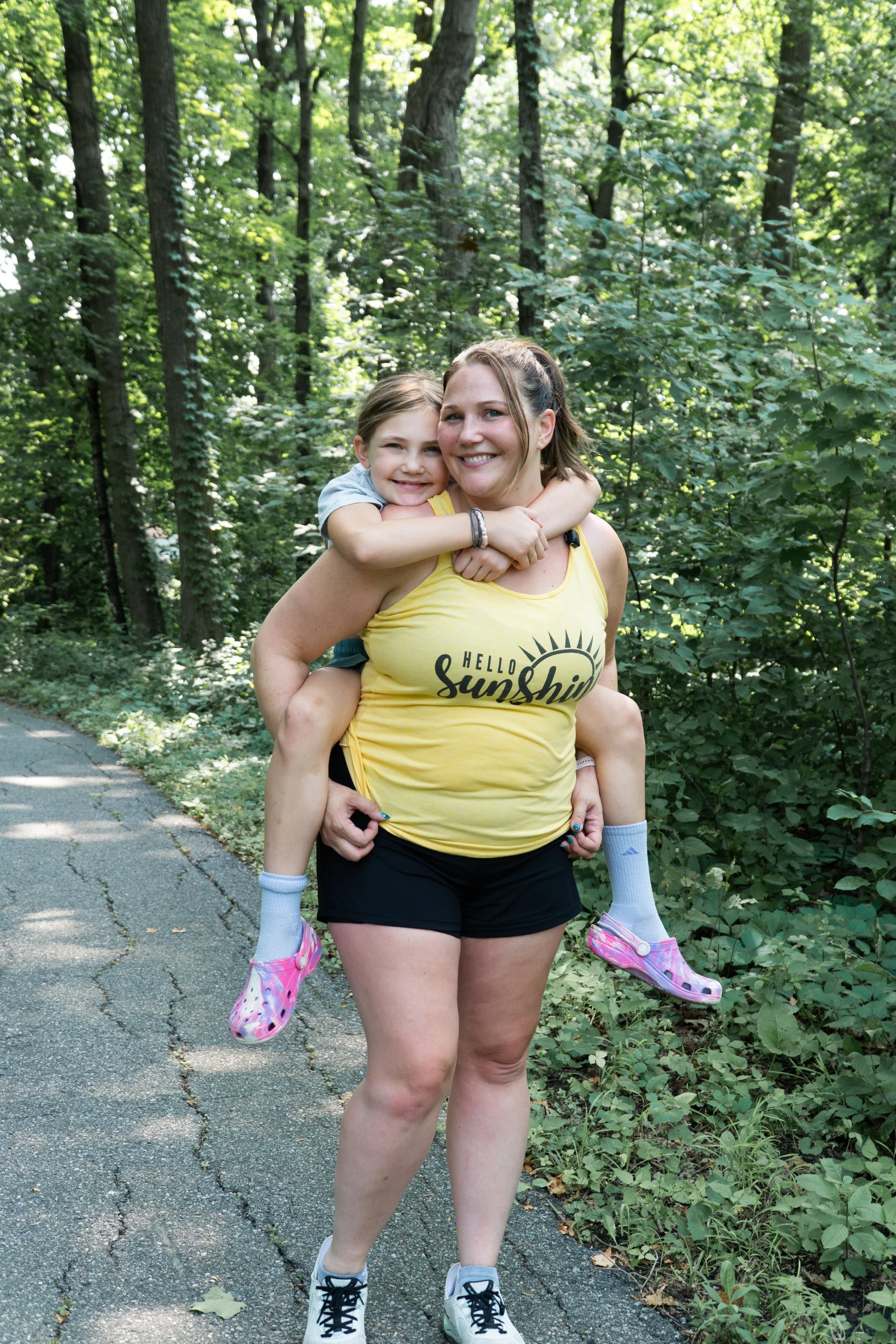
Six weeks after surgery, Amy was hiking four miles on Minnesota’s North Shore with her four children. She can clean her home, lift and move things, tend to her landscaping and yard work, attend her children’s activities and be active without the pain she had lived with for years. Solo parenting all alone for so long had added a lot to her plate as it was, but the ability to move again after being paralyzed with pain and fear gave her physical freedom she hadn't seen in many years.
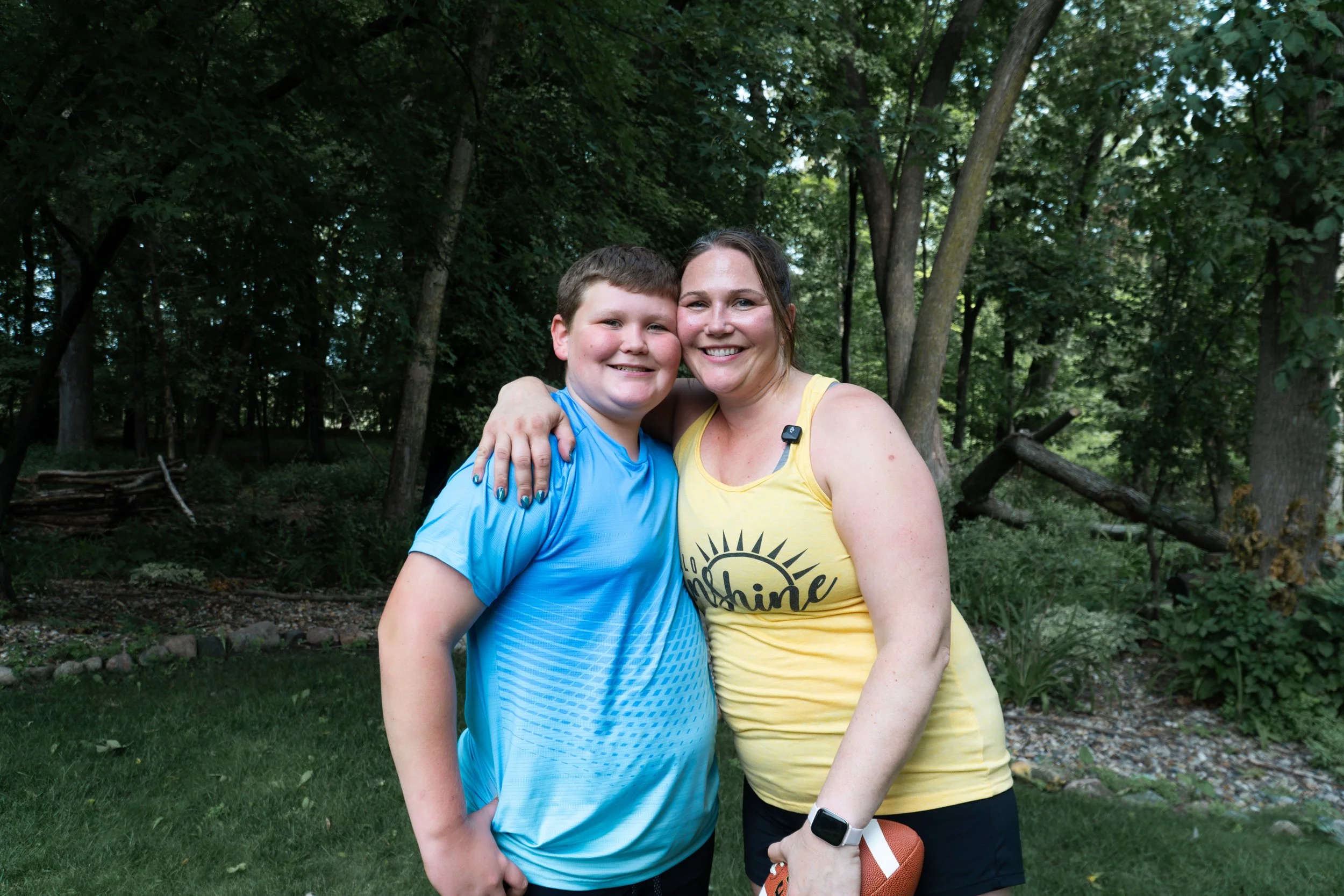
She can also do the thing she missed most: play with her kids.
Her youngest son recently turned 10, and Amy was able to take him on a birthday trip to Chicago, including plans to spend the day at an amusement park.
"I spent the whole day walking around, riding roller coasters, playing at the water park, climbing all the stairs and walking on uneven ground with no difficulty at all, just eight weeks after surgery, and not once did I think about pain."
“I no longer fear movement, and I don’t think about it at all anymore,” she said.
Amy knows she missed out on some memories with her children while she was living with chronic pain. But now, she is focused on making new ones.
“While I definitely missed out on a lot of memories with my kids because of the pain I had,” she said, “I am so very thankful I get to create new memories without the undercurrent of pain plaguing my body. I can finally focus on just being a Mom.”
A Decision She Wishes She Had Made Sooner
Amy was also surprised by how many people she met in their 30s and 40s who had undergone hip replacement.
“Whether it’s something that grew wrong as a child, an injury or arthritis, there’s a lot more than I thought,” she said. “And every one of them thought, ‘I wish I had done this sooner.’ And that’s how I feel too.”
Amy is grateful to Dr. Perkinson and the team at Orthopaedic & Fracture Clinic and the OrthoEdge Joint Replacement Program for helping her find the right treatment.
“It’s been such a seamless process,” she said. “It felt like, ‘We see you. We see your pain. Let’s get you the help you need.’”
After more than a decade of trying to manage her hip pain, Amy is back to doing the things that matter most to her: being active, spending time with her four children and making memories with them.
“I finally got my life back.”
Ready to Get Back to What You Love?
The OrthoEdge Joint Replacement Program combines the expertise of Orthopaedic & Fracture Clinic with the resources of River’s Edge Hospital to provide a coordinated approach to joint replacement care.
If hip or knee pain is keeping you from the activities you enjoy, learn more about the OrthoEdge program and take the next step toward getting back to the life you want.