
When Your Thumb Starts Filing Complaints: Understanding CMC Arthritis
Written by Dr. Andrew McNamara
Your thumb is a remarkably sophisticated piece of equipment.
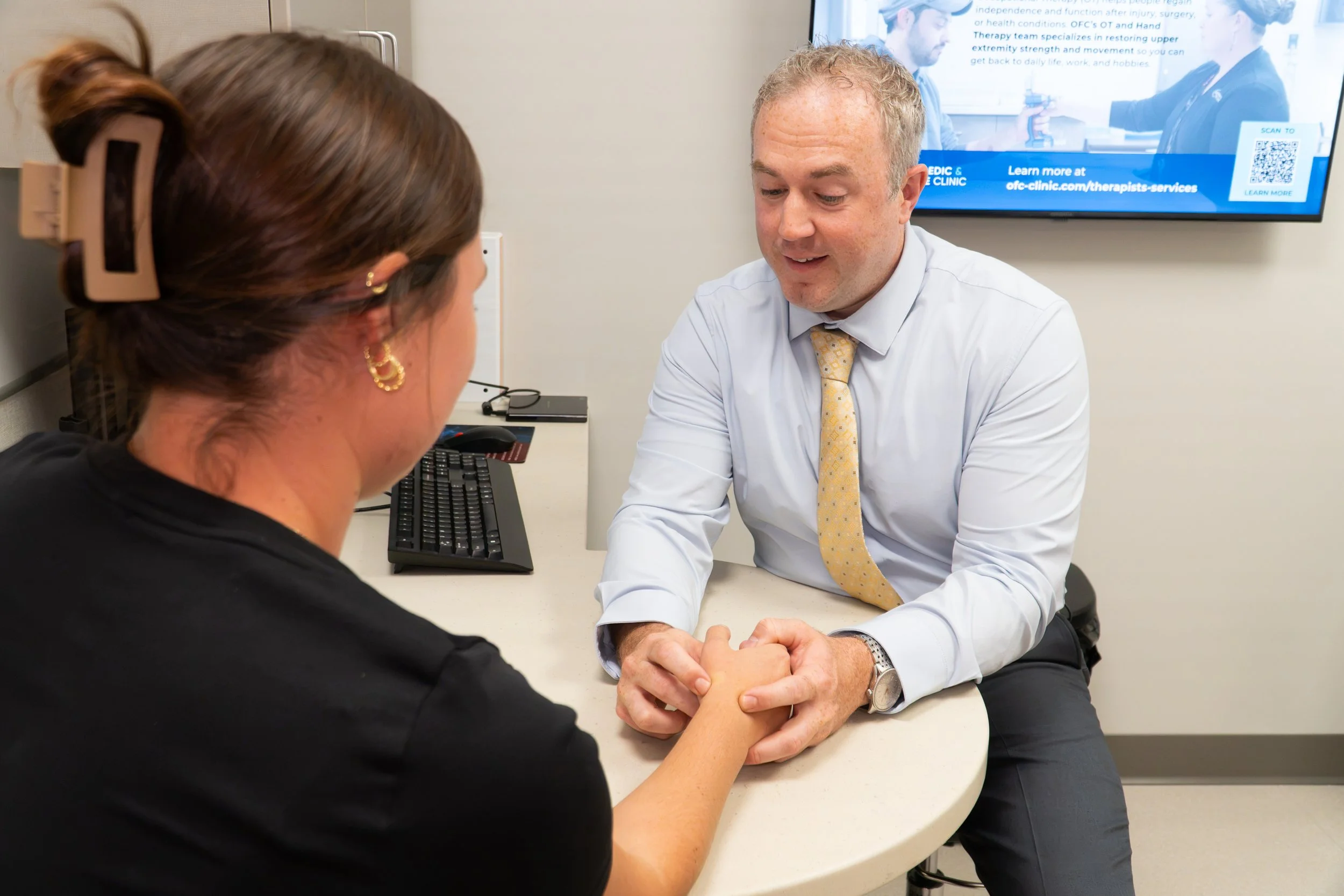
It lets you button your shirt, hold a coffee cup, turn a key, text, grip a golf club, open a jar, and perform hundreds of other tasks without requiring conscious thought. Then one day, opening a jar requires a strategic plan, a second person, and perhaps a brief discussion with the manufacturer.
Welcome to 1st CMC arthritis.
The carpometacarpal (CMC) joint at the base of your thumb is one of the most important, and most heavily used, joints in your hand. When arthritis develops there, even routine activities can become surprisingly difficult.
As an upper extremity orthopaedic specialist, my job is to figure out why your thumb hurts and, more importantly, what we can do about it. The good news is that surgery is rarely the first answer. The even better news is that when surgery eventually becomes necessary, there are several effective options to restore a useful, stable thumb.
What Exactly Is the 1st CMC Joint?
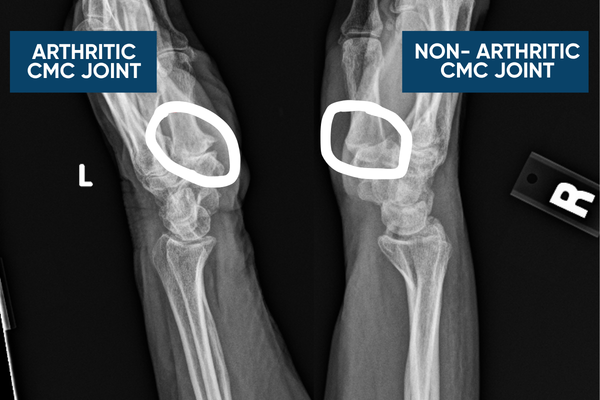
The 1st CMC joint is where the thumb metacarpal meets the trapezium, one of the small bones in your wrist. It is an extraordinary joint. It allows the thumb to move in multiple directions and gives us the ability to pinch and grasp, two things that make our hands remarkably versatile.
That mobility, however, comes with a downside.
The CMC joint experiences substantial forces every time you pinch or grip. Over many years, the cartilage covering the joint can wear down. As the cartilage deteriorates, the bones begin to move less smoothly, inflammation develops, and the joint can become painful and unstable.
You may experience:
Pain at the base of the thumb
Pain with gripping or pinching
Difficulty opening jars
Pain turning keys or using tools
Weakness with pinch
Swelling or tenderness
Grinding or catching
Increasing difficulty with activities that once seemed completely unremarkable
Why Does CMC Arthritis Happen?
Unfortunately, there isn't usually one identifiable culprit.
CMC arthritis is more of a group project.
Age and Wear
Like many joints, the CMC joint changes over time. The cartilage becomes thinner and less effective at providing a smooth surface. This is not necessarily because you did anything wrong. You used your thumb for decades. It was not sitting around collecting dust.
Ligament Laxity and Joint Mechanics
The CMC joint relies heavily on its surrounding ligaments for stability. When you pinch with 1 pound of force between the fingertip and thumb, approximately 10 pounds of force can be transmitted to the 1st CMC joint. Over time, those ligaments may become stretched or less effective. The thumb metacarpal can then shift slightly out of its ideal position, increasing stress across the joint.
Previous Injury
A previous fracture or dislocation involving the joint can increase the likelihood of developing arthritis later.
Genetics
Some people are simply more predisposed to developing arthritis. If your parents had CMC arthritis, you may have inherited more than their eye color.
Repetitive Use
Years of forceful gripping and pinching may contribute to symptoms, although normal use of your thumb does not mean you have "worn it out."
How Do We Diagnose It?
The diagnosis starts with your story. Where does it hurt? What activities cause pain? How long has it been bothering you? What have you tried? I will examine the thumb for tenderness, motion, stability, strength, and the specific maneuvers that reproduce your symptoms. X-rays help confirm the diagnosis and show the extent of arthritis.
One important point: we treat the patient, not the X-ray.
Some people have impressive arthritis on an X-ray and surprisingly little pain. Others have relatively modest X-ray findings and considerable difficulty using their hand. Your X-ray may have opinions. It does not, however, get to decide whether you need surgery.
Do I Need Surgery?
Usually, no. Not initially. The first goal is to control your symptoms without an operation. Fortunately, there are several good options.
Activity Modification
We try to reduce activities that place excessive force across the CMC joint. Using larger handles, avoiding prolonged forceful pinching, using both hands for heavier objects, and changing how you perform certain activities can significantly reduce symptoms. Sometimes the solution is not "stop doing it,” it's "stop doing it quite so aggressively."
Bracing
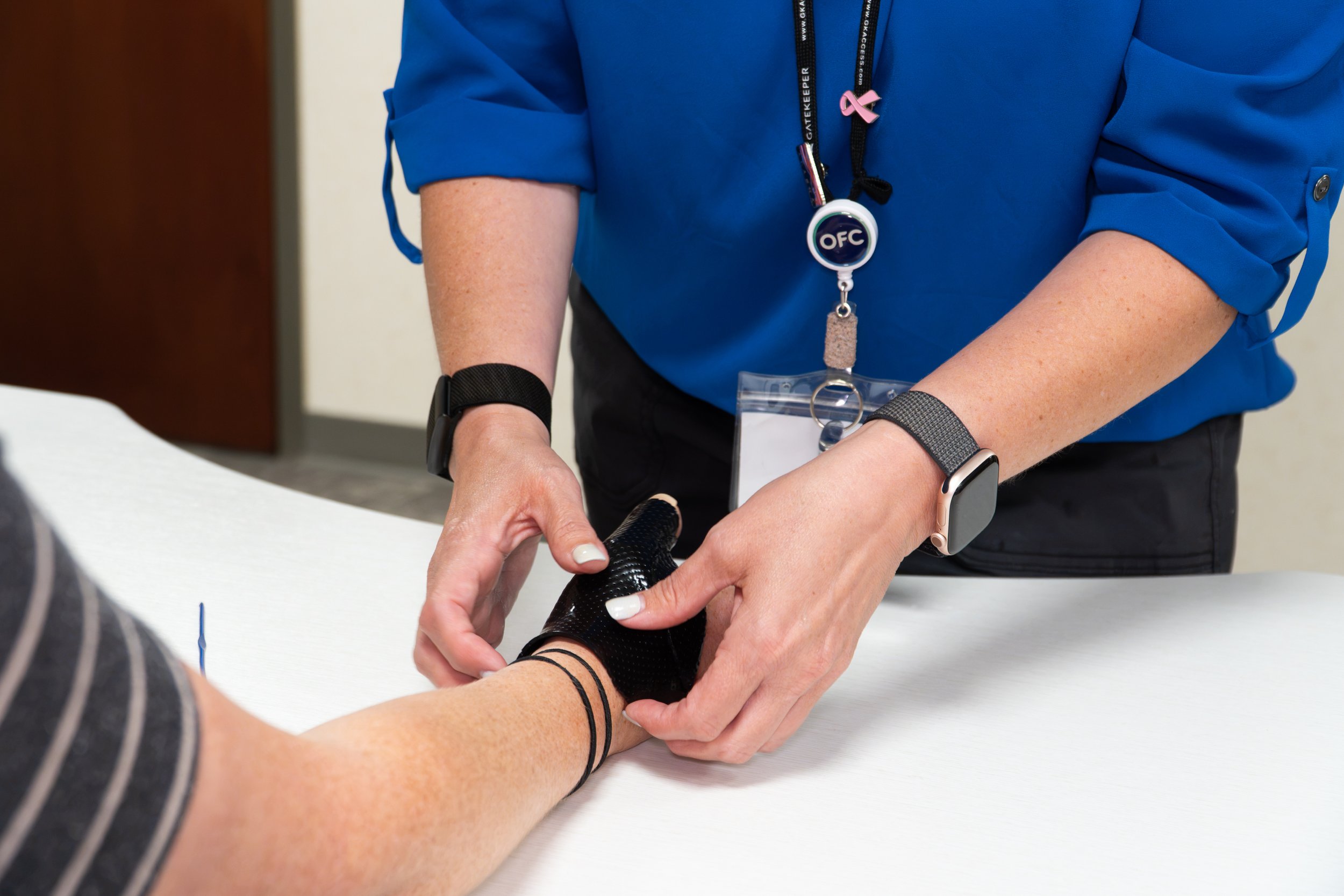
A CMC brace can support the base of the thumb and reduce painful motion. Some patients wear a brace during activities. Others benefit from wearing one at night. Think of it as giving your thumb a little structural encouragement.
Medications
Acetaminophen or anti-inflammatory medications may help with pain, assuming they are medically appropriate for you. If you have other medical conditions or take other medications, discuss regular use with your primary care physician.
Hand Therapy
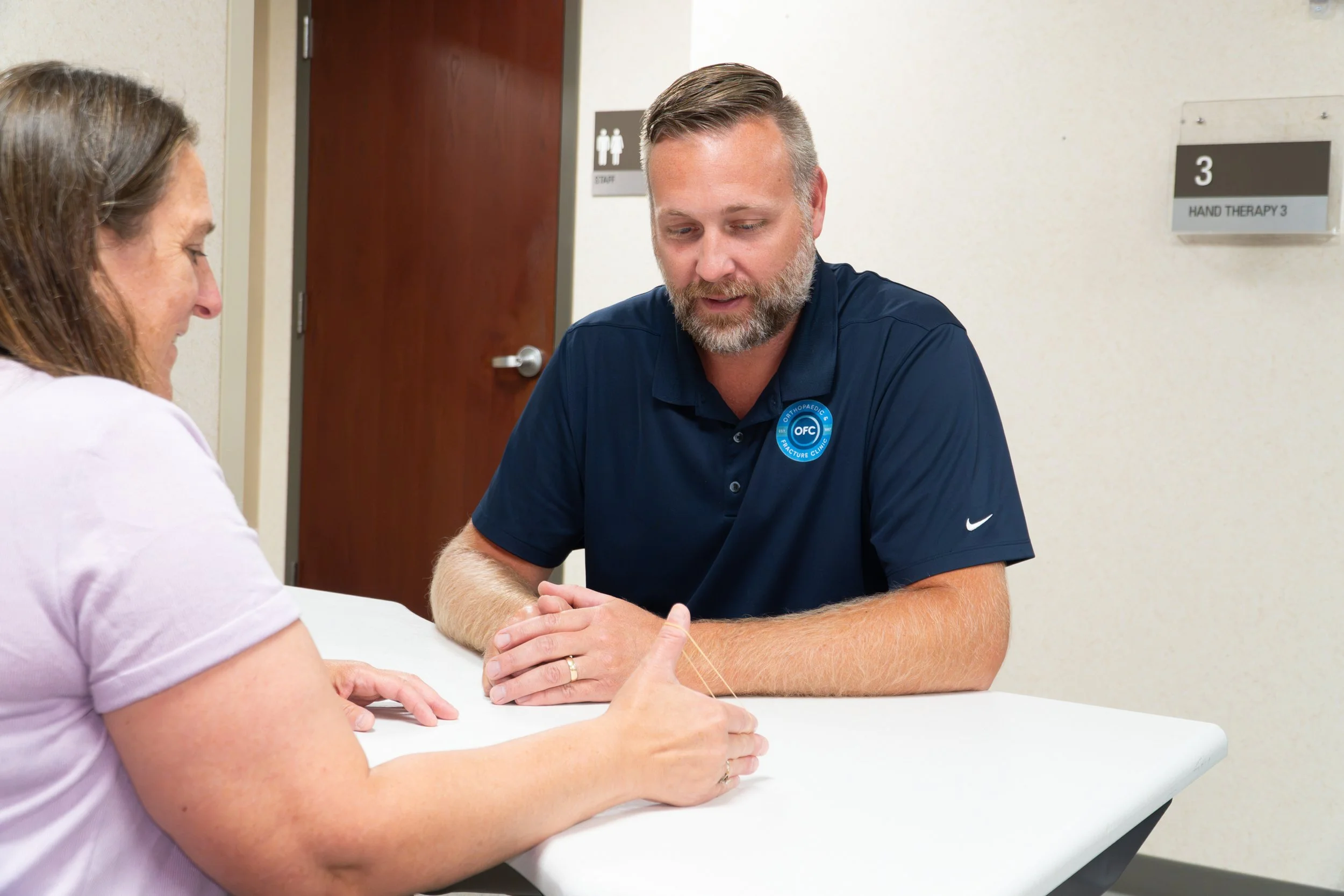
A skilled hand therapist can teach you exercises to maintain motion, improve strength, and optimize thumb mechanics. You may also learn different ways to perform everyday activities that place less stress on the joint.
This is particularly useful because the goal isn't simply to make the thumb stronger.
It's to make the thumb smarter about how it uses that strength.
When Does Surgery Enter the Conversation?
Surgery becomes an option when pain continues to interfere with your life despite reasonable nonsurgical treatment.
I generally think about surgery when you are saying things like:
"I can't do the things I want to do."
For appropriately selected patients, one surgical option is trapeziectomy with Arthrex Mini TightRope suspension and an abductor pollicis longus (APL) tendon transfer.
Trapeziectomy With Mini TightRope and APL Tendon Transfer
The name sounds considerably more complicated than the basic concept.
The objective is straightforward: remove the painful arthritic joint and create a stable, functional thumb.
Removing the Arthritic Joint
The trapezium is removed in a procedure called a trapeziectomy. This eliminates the painful arthritic contact between the thumb metacarpal and trapezium.
Stabilizing the Thumb With the Mini TightRope
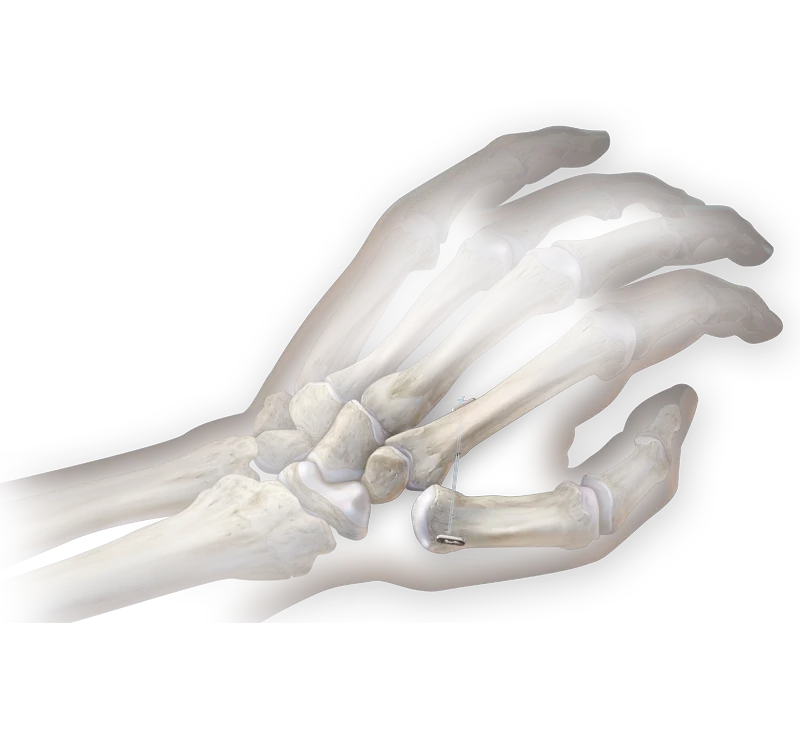
Once the trapezium is removed, we want to maintain the appropriate position of the thumb metacarpal. The Mini TightRope is a small suspension device placed between the thumb and index metacarpals. It provides mechanical support and helps prevent the thumb metacarpal from migrating toward the wrist.
Think of it as a very small suspension bridge with an unusually specific job description.
Adding an APL Tendon Transfer
The abductor pollicis longus (APL) is one of the tendons that moves the thumb. A portion of the APL tendon can be incorporated into the reconstruction to provide additional soft-tissue support and stability.
Together, the trapeziectomy, Mini TightRope, and APL tendon transfer are designed to create a stable thumb without the painful arthritic joint.
The goal is not merely to make the X-ray look better.
The goal is to make you function better.
What Is Recovery Like?
You are splinted for 5–7 days after surgery, immobilizing the thumb while allowing finger range of motion. Initially, the priority is protecting the reconstruction, controlling swelling, and maintaining appropriate motion.
At the 5–7 day visit, the therapist removes the splint and provides a custom-made, hand-based splint. Sutures are typically removed between 10–14 days.
As healing progresses, hand therapy gradually works on restoring motion, strength, and function. Strengthening typically begins between 6 and 8 weeks, once adequate motion has returned and healing has progressed.
You may notice improvement in pain before you regain your full strength. Swelling and stiffness can persist for several months.
This is normal.
Your thumb may feel considerably better before it feels completely normal.
That is progress, not failure.
Are There Risks?
Yes. Every operation has risks.
Potential complications include infection, bleeding, nerve irritation or numbness, stiffness, persistent pain, weakness, tendon problems, instability, and hardware-related complications.
Your surgeon will discuss the potential risks and benefits of surgery with you and help determine whether this procedure is appropriate for your specific situation.
The Bottom Line
1st CMC arthritis is common. It can also be surprisingly disruptive because the thumb participates in almost everything your hand does.
Fortunately, arthritis on an X-ray does not automatically equal surgery. Many patients can manage their symptoms successfully with activity modification, bracing, medications, hand therapy, and injections.
When those treatments no longer provide adequate relief and thumb pain begins limiting the activities that matter to you, surgery becomes a reasonable option.
The ultimate goal is fairly simple:
You should be able to use your hand without thinking about your thumb all day.

Dr. Andrew McNamara
Orthopaedic Surgeon
MD, FAAOS
Dr. McNamara is a board-certified upper extremity surgeon specializing in the treatment of conditions from the shoulder to the fingertips.
He utilizes advanced techniques, including computer navigation technology, to enhance precision and improve outcomes in shoulder replacement surgery.
His patient-centered approach focuses on understanding each individual’s goals and collaborating to determine the most effective operative or non-operative treatment plan.
View full profile →